
 Xbox Cloud Gaming Equirements: Internet, Devices, Controllers
  How to Delete Sent Messages on iPhone From Both Sides
  Real-Time Tracking in the Distribution of Goods
  Portable Monitor For Laptop Guide
  Optimizing Sales Prospecting with Modern Software Tools
  What Is One Way That Technology Can Improve The Distribution Of Goods?
  Xbox Cloud gaming: A Practical Guide For Real Life
  Game Pass vs PlayStation Plus: which is actually worth it?
  Macfox X1S installation guide: assembly, setup, and first ride checks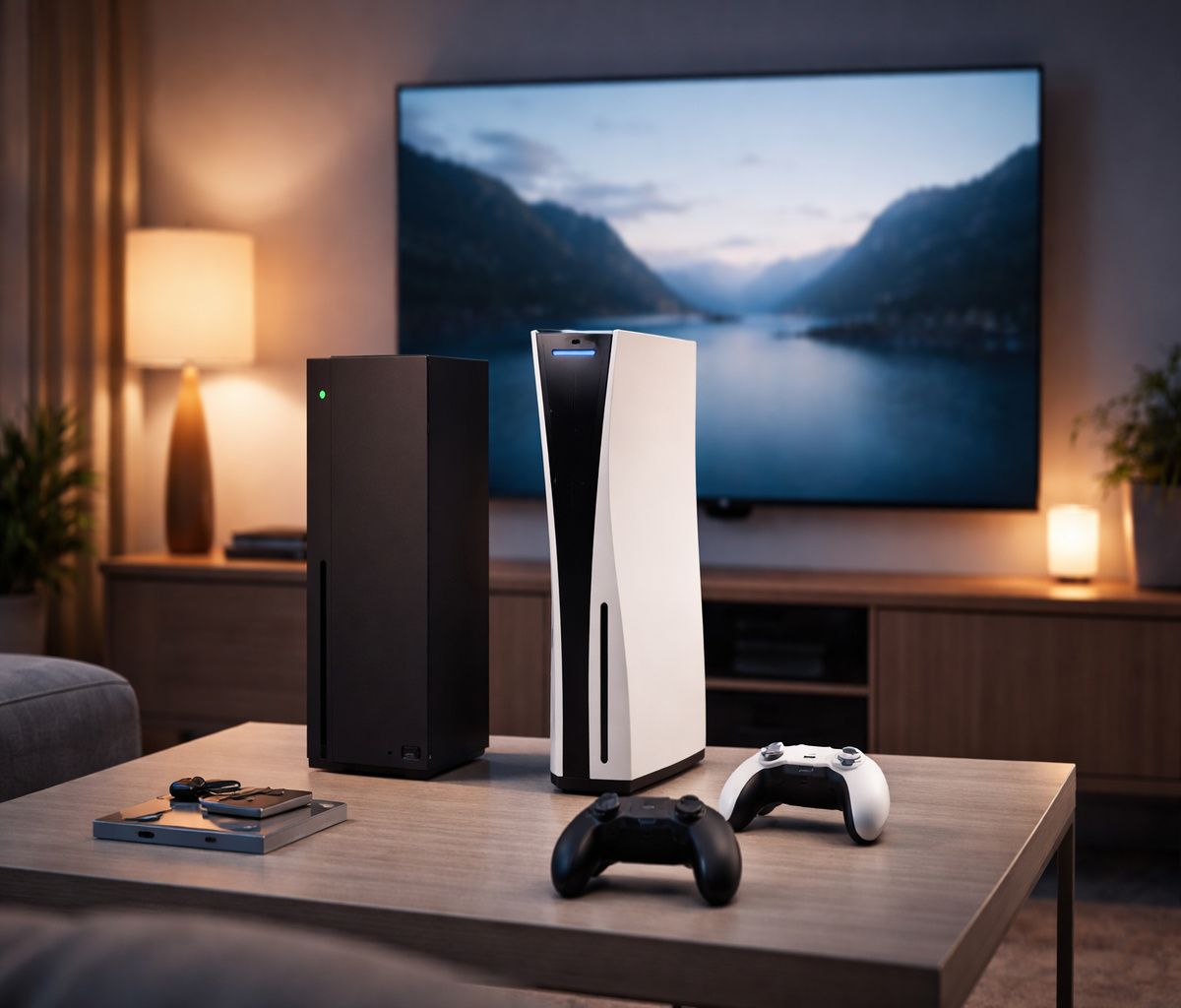
If you’re here because you typed “ps5 vs xbox series x” into Google and you want someone to stop dancing around it—fair. Most people aren’t looking for a lecture on teraflops. They want to know which box will feel better in their living room, run the games they actually play, and not annoy them six months later when storage fills up or subscriptions start piling on.
So this guide is written like a friend who’s picky (in a good way) is walking you through it. I’ll make a call when it makes sense. And when it doesn’t, I’ll say that too, because honestly… some of the differences are real, but some are more “internet debate” than day-to-day reality.
Ps5 vs Xbox series x: the quick answer
I think this is the cleanest way to decide without spiraling.
- Buy a PS5 if you care most about PlayStation exclusives and you want the DualSense controller experience (its haptics and adaptive triggers can genuinely change how certain games feel).
- Buy an Xbox Series X if you want the most seamless “jump between games” lifestyle, you love backward compatibility, or you want features like Quick Resume to quietly spoil you.
- If you’re mostly playing big third‑party games (sports, shooters, open‑world stuff) and your friends are split across platforms, either console will make you happy—so the “tie-breakers” become subscriptions, controller preference, and storage strategy.
If you know you’re subscription-driven, you’ll probably want to read the deeper breakdown of Game Pass vs PlayStation Plus after this. It’s the part people underestimate until they’ve paid for a year of something they barely used.
What feels different in real life
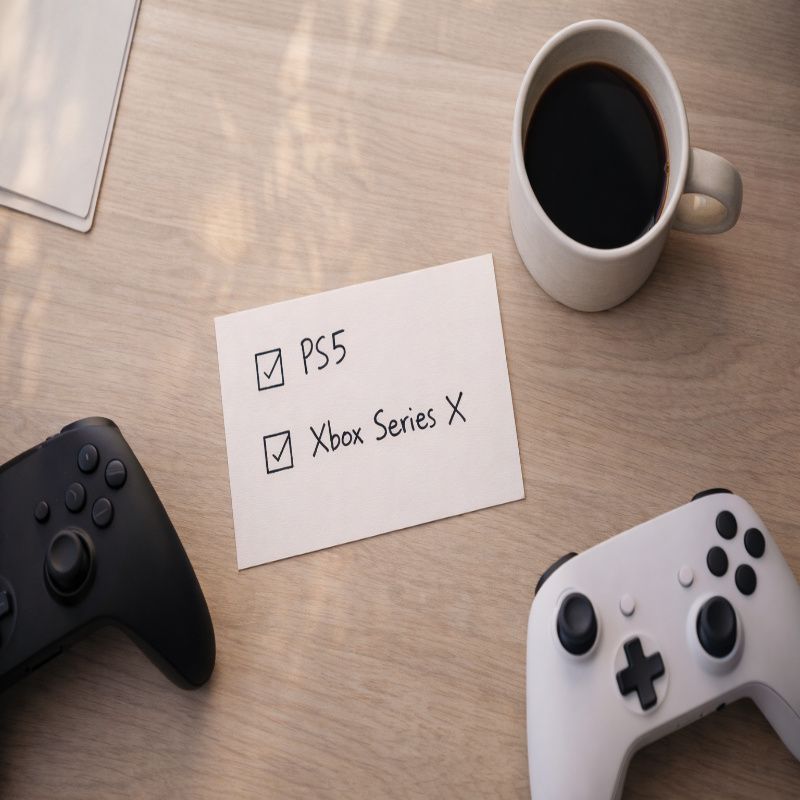
On paper, both consoles are “true 4K gaming, up to 120 FPS” machines in the way marketing loves to say. Xbox even spells that out directly, along with HDMI features like Auto Low Latency Mode and HDMI Variable Refresh Rate. But day-to-day, what you notice is simpler: how fast you get into a game, how easy it is to bounce between games, and how much the controller disappears in your hands.
Quick Resume vs “fast enough”
Xbox Series X has Quick Resume, which Microsoft describes as letting you “seamlessly switch between different titles and instantly resume from where you left off.” In practice, it can feel like cheating—especially if you rotate between a couple of games and don’t want to stare at splash screens every time you change your mind.
PS5 loading is still excellent, and in some games it’s almost comically fast thanks to the console’s SSD design. Sony lists the PS5 SSD as 825GB with 5.5GB/s raw read bandwidth, and PS5 also supports features like 4K/120 and VRR (via HDMI 2.1) depending on your setup. So yes, it’s quick. It’s just not quite the same “I paused three games last night and I’m back in instantly” vibe that Xbox leans into.
The controller question (it’s more important than people admit)
The PS5 DualSense can feel like a genuine hardware upgrade, not just “a controller that’s slightly different.” Sony itself calls out DualSense’s haptic feedback and adaptive triggers as two features that create more realistic tactile feedback. I don’t think every game uses it perfectly—and sometimes it’s subtle—but when it’s good, it’s very good.
The Xbox controller is the opposite kind of win: familiar, comfortable, and consistent. If you’ve used an Xbox controller anytime in the last decade, it’s that feeling again. No learning curve. No “is this supposed to feel like this?” moments.
Performance and graphics (without the hype)
Let’s talk power the way it matters. Xbox Series X is commonly positioned as the more powerful console on paper, with Microsoft highlighting “12 teraflops” of power and a 1TB custom SSD. Sony’s PS5 is listed with a 10.3 TFLOPS GPU (variable frequency, up to 2.23 GHz) and that very fast 825GB SSD with 5.5GB/s raw throughput.
Those numbers do matter… but not always the way people think. In real games, you’ll often be choosing between performance modes (higher frame rate) and fidelity modes (higher resolution and nicer effects). Both consoles usually offer both modes in major releases, and the differences can be small enough that you only notice them if you freeze-frame comparison videos. Which is, admittedly, a hobby some of us have fallen into at 1 a.m.
4K/120Hz, VRR, and your TV setup
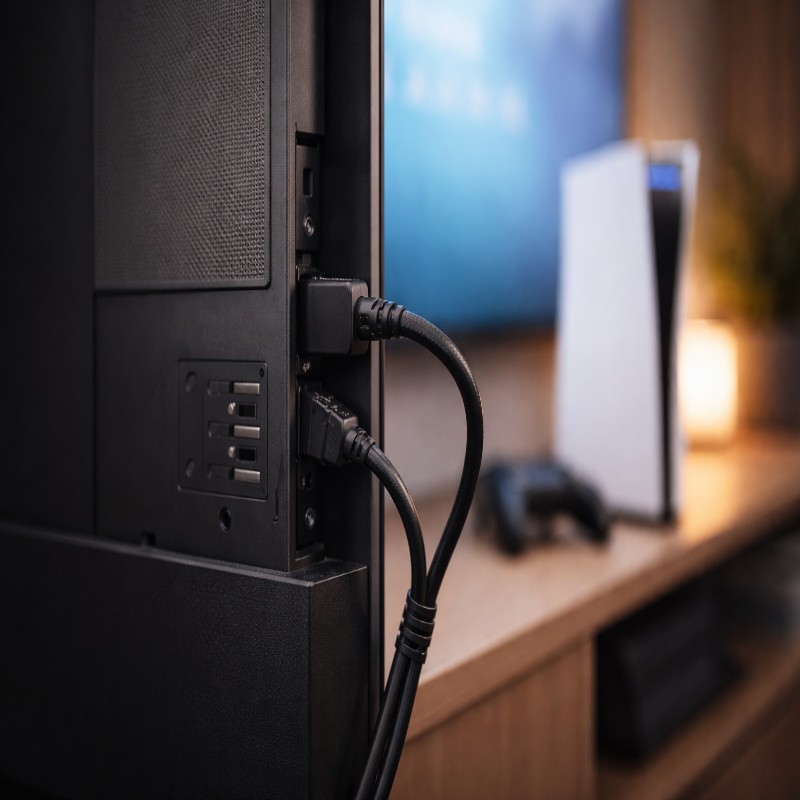
This is where I’ll be a little blunt: if you don’t have a TV/monitor that supports 120Hz and VRR, you can ignore a lot of the loudest arguments. Both ecosystems support modern HDMI gaming features. Xbox lists Auto Low Latency Mode, HDMI Variable Refresh Rate, and AMD FreeSync support as part of Series X’s HDMI features. Sony lists PS5 support for 4K 120Hz TVs and VRR (specified by HDMI 2.1) in its technical specs.
If you want the practical checklist—and the small “gotchas” that make people think their console is broken—use this companion guide: best TV settings for PS5 and Xbox Series X. You’ll save yourself an annoying evening of digging through menus.

Games: exclusives, subscriptions, and libraries
Most big games are on both platforms. That’s the quiet truth. So the real question becomes: what can you play on one that you can’t (or won’t) on the other, and what’s your plan for paying for games over time?
If you love PlayStation’s exclusive catalog, PS5 has the stronger emotional argument. People buy it for specific franchises and specific studios, and that’s valid. If you’re more of a “let me try lots of games, drop the ones I don’t like, and keep moving” person, Xbox tends to fit that lifestyle better—especially once you factor in how you discover games through subscriptions.
Game Pass vs PlayStation Plus (how to choose)
I’m going to describe this in a slightly imperfect way because that’s how it feels in real life: if you’re the kind of player who’s curious, you’ll get more “surprise value” from a strong catalog subscription. If you’re loyal to a handful of franchises and you replay comfort games, subscriptions can start to feel like an unused gym membership.
For a full decision guide (including how to think about your yearly spend), jump to Xbox Game Pass vs PlayStation Plus. It’s the same argument, just with fewer vibes and more practicality.
Storage and expansion (the hidden cost)
This is where many buyers get mildly annoyed after the first month. Modern games are huge. Even if you’re disciplined, you’ll eventually hit the point where you’re uninstalling something you “might” play just to install the thing your friends are currently playing.
PS5’s internal SSD is listed as 825GB, with support for an NVMe SSD slot for expandable storage. Xbox Series X ships with a 1TB custom SSD and supports storage expansion too (via Xbox storage expansion solutions), and in both cases you’ll want to be clear-eyed about what you’re buying: storage convenience.
If you want a no-nonsense walkthrough—what to buy, what “fast enough” means, and what setup looks like—use PS5 vs Xbox storage: expansion, costs, and setup. It’s the part of console ownership nobody daydreams about, but everyone ends up dealing with.
Controllers, accessories, and the stuff you’ll buy later
I’ll admit something slightly contradictory here: I just said controllers matter a lot. Yet plenty of people adapt to either one in a week and never think about it again. Both things can be true.
Still, it’s worth planning for the accessories you’ll likely buy: at least one extra controller, a charging solution, and maybe a headset if you play online a lot. If you care about immersive single-player experiences, DualSense features can be a real plus. If you care about consistent comfort and battery life routines you already understand, the Xbox controller ecosystem is straightforward.
Movies, Blu-ray, and streaming
If you only want a game console, you can keep this section short. But if your console is also a living-room media device, it’s worth thinking about the physical disc drive and the formats your TV supports.
Microsoft lists Series X with a 4K UHD Blu-ray optical drive and also highlights video capabilities like True 4K gaming and “up to 8K HDR.” Sony’s PS5 hardware specs include Ultra HD Blu-ray disc support (up to 100GB discs) and also call out modern display features (4K/120Hz and VRR support).
One small note: streaming apps change, formats change, and what matters today might matter less next year. If you’re picky about home theater, you may still prefer a dedicated streamer. But if you want one box that does games plus discs without fuss, both consoles are credible options—Xbox tends to lean a bit more into the “home cinema feature list” conversation, while PS5 tends to be discussed more as a pure games-first machine.
Online play, cross-play, and where your friends are
This is the least exciting section and arguably the most important. If your closest gaming friends are on one platform, that’s a real advantage. It’s not just about whether a game supports cross-play; it’s also party chat habits, friend lists, and what people already own.
If your group is split, I’d focus on two tie-breakers: which subscription model fits you better, and which controller you’ll actually enjoy for hundreds of hours. That sounds basic. It is basic. It’s also how most real decisions get made.
PS5 vs Xbox Series X specs (the facts, quickly)
You don’t need a massive table to make a decision, but a few hard facts help keep the discussion grounded.
- PS5 storage: 825GB SSD, 5.5GB/s raw read bandwidth (Sony’s published technical specs).
- PS5 display support: 4K 120Hz TVs and VRR (Sony’s published technical specs).
- Xbox Series X: 1TB custom SSD, “up to 120 FPS,” and HDMI features including Auto Low Latency Mode and HDMI Variable Refresh Rate (Microsoft’s published console specs).
- Xbox Series X GPU power: Microsoft highlights 12 teraflops.
Specs are helpful, but I’ll say it again: what you’ll feel most is the ecosystem and the day-to-day flow. Quick Resume and backward compatibility habits on Xbox. DualSense feel and exclusives pull on PlayStation. Everything else is usually a smaller difference than the internet would have you believe.
So… which should you buy?
If you want my simplest, most defensible take, here it is.
- Buy PS5 if you’re buying primarily for exclusives and you want the DualSense experience to be part of the reason you play.
- Buy Xbox Series X if you want a “switch games constantly” console, you care about a deep backward-compatible library, and you like the idea of a system that’s built around convenience features like Quick Resume.
- If you still feel stuck, pick the console where your friends play most. It’s not a technical answer, but it’s usually the one that leads to more actual gaming—and fewer regrets.
And yes, bringing it back to the keyword one last time: if you’re deciding between ps5 vs xbox series x, you can’t really make a “wrong” choice. You can just make a choice that fits your habits better—and that’s the whole point of this guide.