
 Xbox Cloud Gaming Equirements: Internet, Devices, Controllers
  How to Delete Sent Messages on iPhone From Both Sides
  Real-Time Tracking in the Distribution of Goods
  Portable Monitor For Laptop Guide
  Optimizing Sales Prospecting with Modern Software Tools
  What Is One Way That Technology Can Improve The Distribution Of Goods?
  Xbox Cloud gaming: A Practical Guide For Real Life
  Game Pass vs PlayStation Plus: which is actually worth it?
  Macfox X1S installation guide: assembly, setup, and first ride checks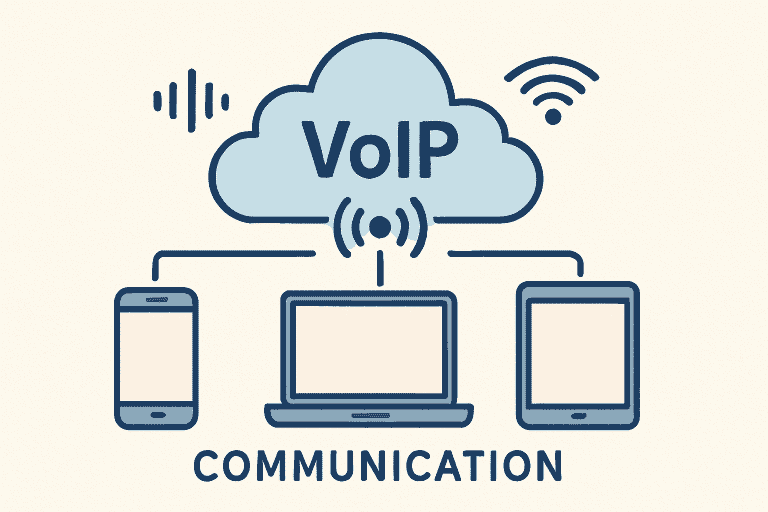
Voice over Internet Protocol (VoIP) stands as one of the most transformative telecommunications innovations of the past two decades. By enabling voice calls over the internet rather than traditional phone lines, VoIP has created cost-effective, scalable options for businesses and consumers. Today’s rapidly changing technology landscape means that VoIP services continue to evolve, with new advancements promising even more efficient, flexible, and secure communication methods. Solutions such as hosted phones have become increasingly popular, streamlining business operations and supporting modern work environments.
The growing global reliance on internet-enabled communication is pushing service providers and businesses to adopt next-generation VoIP trends. As organizations seek to improve connectivity and reduce operational expenses, demand for innovative VoIP features rises. This is especially noticeable in sectors shifting to remote or hybrid models, where seamless integration across voice, video, and messaging platforms is critical to productivity.
Advances in VoIP are not just limited to improved call quality or lower costs. Today, artificial intelligence, 5G connectivity, and enhanced cybersecurity are all intertwining to redefine how and where voice communications are delivered. As expectations for reliable, integrated collaboration tools grow, businesses are seeking VoIP solutions that offer both adaptability and advanced capabilities. Market experts believe these developments will accelerate in the coming years, spurring even greater innovation.
Modern hosted VoIP systems, which eliminate traditional PBX hardware and leverage the stability of cloud infrastructure, have made it easier than ever before for companies to enable productive remote teams. Industry leaders are also addressing new cybersecurity threats and regulatory requirements to ensure safe and compliant use of VoIP technologies.
AI Integration Enhancing VoIP
Artificial Intelligence (AI) is making VoIP platforms significantly more intelligent and more powerful. Advanced AI algorithms can now automate tasks such as real-time call transcription, language translation, and even sentiment analysis to measure customer satisfaction. For example, customer service centers can use AI-driven analytics to gauge callers’ moods and recommend actions to agents on the spot. Intelligent voice assistants and chatbots are increasingly common, helping to route calls, answer routine inquiries, and free up human resources for more complex tasks. For a deeper look at how VoIP technology works and why it’s transforming business communications, Forbes provides a comprehensive guide on VoIP systems. AI will play an even greater role in enabling context-aware communication and automating workflows, ultimately transforming how organizations interact both internally and externally.
5G Networks Improving Call Quality
The rollout of 5G networks represents a landmark shift for VoIP services. With dramatically increased bandwidth, ultra-low latency, and more stable connections, 5G will make high-definition VoIP calls more accessible, even in areas previously plagued by unreliable connectivity. Large enterprises and small businesses alike can expect reduced call drops, improved clarity, and support for larger volumes of simultaneous connections. As mobile workforces expand, 5G-enabled devices will ensure uninterrupted, crystal-clear communication wherever users are located.
Emphasis on Cybersecurity
With communication increasingly taking place over the internet, the security of VoIP systems is a critical concern. Cybercriminals are constantly finding new vulnerabilities, making it vital for organizations to secure their VoIP networks. Encryption protocols such as Secure Sockets Layer (SSL) and Transport Layer Security (TLS) are being widely adopted to protect conversations and data transmission. Multi-factor authentication and intrusion detection systems further guard against unauthorized access and voice phishing attacks.
Rise of Unified Communications
Unified Communications (UC) platforms are on the rise, giving teams integrated solutions that combine voice, video, instant messaging, and file sharing all in one place. The integration of VoIP into UC services allows businesses to streamline collaboration and eliminate the inefficiencies caused by juggling multiple disconnected apps. This type of platform is particularly important in hybrid and remote settings, where employees need to collaborate across different time zones and devices. The convergence of UC and VoIP also simplifies administration, as IT departments can monitor and upgrade communications infrastructure via cloud dashboards.
Cloud-Based VoIP Solutions
Cloud-based VoIP solutions continue to gain in popularity for organizations seeking agility and scalability. Unlike legacy phone systems, cloud VoIP eliminates the need for costly, complex on-premises equipment. Businesses can add or remove users with just a few clicks and instantly gain access to new features and system updates as they are released. This flexibility is pivotal for startups and rapidly growing businesses that need communication tools to scale with their growth.
Adoption of SIP Trunking
Session Initiation Protocol (SIP) Trunking is transforming how businesses connect their existing phone systems to digital and traditional networks. According to Business News Daily, SIP Trunking allows companies to send voice, video, and data over a single internet connection, replacing costly ISDN or analog lines. This approach not only reduces telecommunications expenses but also supports seamless scaling and business continuity.
Integration of WebRTC
Web Real-Time Communication (WebRTC) technology enables browser-based voice, video, and data sharing without the need for plug-ins or third-party software. The drive for a frictionless user experience has led to widespread adoption of WebRTC, particularly for customer service chat tools, online collaboration platforms, and telehealth solutions. This enables richer, real-time communication directly within web and mobile apps, making high-quality VoIP more accessible and easier to integrate into digital services.
Growth in Remote Workforce
The widespread embrace of remote and hybrid work models has greatly accelerated the adoption of advanced VoIP solutions. Employees now expect seamless access to secure, high-quality voice and video calling from any location, on any device. Modern VoIP platforms support these needs by providing robust, cloud-managed systems that enable continuity, flexibility, and centralized IT oversight. Organizations prioritizing the digital employee experience are increasingly turning to VoIP as the backbone of their communications strategy, ensuring teams remain connected and efficient, no matter where they work.
With continual innovation, VoIP is entering a new era shaped by artificial intelligence, fast and reliable connectivity, heightened security, and greater integration with data-driven tools. By staying on top of these emerging trends, organizations can ensure their communications infrastructure is ready to meet tomorrow’s challenges and opportunities.