
 Xbox Cloud Gaming Equirements: Internet, Devices, Controllers
  How to Delete Sent Messages on iPhone From Both Sides
  Real-Time Tracking in the Distribution of Goods
  Portable Monitor For Laptop Guide
  Optimizing Sales Prospecting with Modern Software Tools
  What Is One Way That Technology Can Improve The Distribution Of Goods?
  Xbox Cloud gaming: A Practical Guide For Real Life
  Game Pass vs PlayStation Plus: which is actually worth it?
  Macfox X1S installation guide: assembly, setup, and first ride checks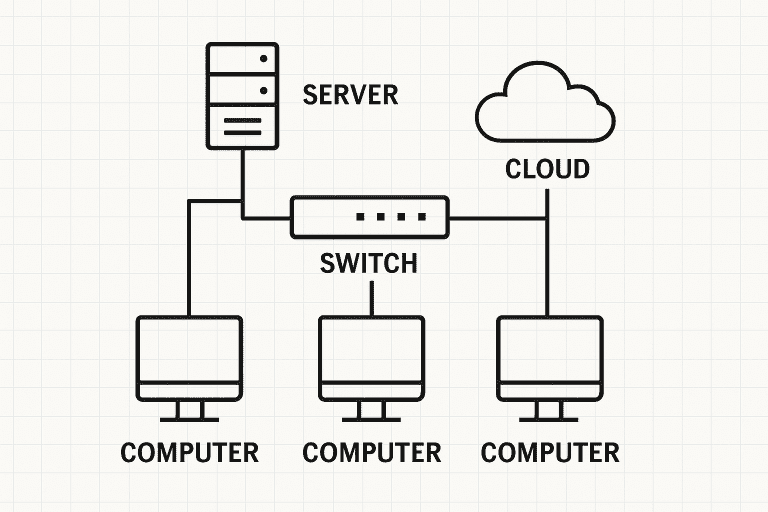
Today’s digital landscape demands organizations optimize every aspect of their technology infrastructure, especially when it comes to network assets. Efficient network asset management is not just a supporting function but is fundamental to operational resilience and cost control. Organizations that systematically manage their network components benefit from consistent performance, reduced interruptions, and increased security. For practical recommendations and reviews on the best available tools, visit https://lightyear.ai/blogs/best-network-inventory-management-software.
According to industry experts, strengthening asset management practices reduces surprise breakdowns and enables teams to predict, detect, and resolve IT issues more quickly. Whether handling on-premises infrastructure or managing cloud assets, having a comprehensive view ensures better planning and aligned investments.
Streamlined asset tracking is essential for supporting business continuity. With networks growing in complexity, gaining unified visibility across hardware and software is increasingly valuable. By keeping records up to date, IT leaders minimize unnecessary expenditures and avoid compliance risks. Automated asset management platforms ensure that each device and license is accounted for, up to date, and performing as required.
Companies achieving a high degree of network asset management maturity report greater agility while addressing security vulnerabilities more proactively. The result is a stronger competitive edge. As discussed in a TechRepublic article on network monitoring best practices, efficient asset management enables organizations to stay ahead of disruptions and operate with confidence.
Understanding Network Asset Management
Network asset management refers to the systematic tracking, monitoring, and maintenance of all hardware and software resources within an organization’s network. This spans routers, switches, servers, network-attached storage, Wi-Fi infrastructure, security appliances, and software licenses. It also covers virtual and cloud components, which are now prevalent in many environments.
With comprehensive network asset management, organizations gain complete insight into the current status, lifecycle, and performance of every asset. This information serves as the foundation for informed budgeting decisions, optimized usage, and system upgrades. Moreover, an effective asset management program ensures that vulnerabilities, such as outdated firmware or unsupported operating systems, are identified and remediated before they affect performance or incur regulatory penalties.
Benefits of Efficient Network Asset Management
- Reduced Downtime: Proactive monitoring and regular maintenance allow IT teams to identify potential issues before downtime occurs, protecting productivity and customer experience.
- Cost Savings: Knowing what assets are available helps organizations avoid unnecessary procurement and ensure optimal resource allocation. Capital and operational expenditures can be more accurately forecasted and justified.
- Enhanced Security: Awareness of all network devices and software enables rapid patching and focused vulnerability management. This reduces the potential for exploitation by cyber attackers.
Implementing Effective Asset Management Strategies
To establish a robust framework for network asset management, organizations should employ these proven strategies:
- Automated Asset Tracking: Deploying asset management tools that deliver real-time visibility provides actionable insights into the status and location of each asset. These solutions streamline inventory management, bolster audit readiness, and drive efficiency. For organizations evaluating options, automated solutions are critical to scaling effectively in complex environments.
- Regular Audits: Scheduled, systematic audits ensure all IT assets are accounted for and functioning optimally. By comparing current inventory to documented records, organizations can spot discrepancies and correct data inaccuracies.
- Integration with Other Systems: Incorporating asset management capabilities with other IT management solutions (such as configuration management, incident response, and cybersecurity tools) delivers a unified view of the entire technology landscape. This integration enables more strategic decisions and strengthens governance.
Leveraging Technology for Asset Management
The rapid evolution of technology is transforming how organizations manage their network assets. Emerging tools such as digital twins and AI-driven analytics provide dynamic, real-time representations of physical networks. According to a recent Gartner study on digital twins, these technologies support predictive maintenance, enhanced troubleshooting, and automated optimization recommendations.
Generative AI integrated with network digital twins can forecast potential failures and advise on response options, offering a new level of intelligence for managing device lifecycles, security policies, and performance metrics. Organizations leveraging these innovations benefit from accelerated problem resolution and data-driven planning.
Challenges in Network Asset Management
- Complexity: As networks grow and diversify across locations and cloud services, overseeing every asset becomes increasingly complex, requiring well-structured management systems.
- Data Accuracy: Maintaining inventory data accuracy and reliability is an ongoing challenge. Data inaccuracies can lead to wasted resources, missed vulnerabilities, and compliance failures.
- Integration Issues: Integrating new asset management solutions with legacy or disparate IT systems can be technically challenging and time-consuming, often requiring cross-functional collaboration.
Final Thoughts
Efficient network asset management is a critical pillar of operational excellence in the digital age. When organizations implement advanced technologies and strategic, data-driven processes, the benefits are tangible: improved performance, reduced risk, and enhanced profitability. A well-managed network environment positions businesses to adapt swiftly, seize new opportunities, and defend against ever-evolving threats.